
01
Solar
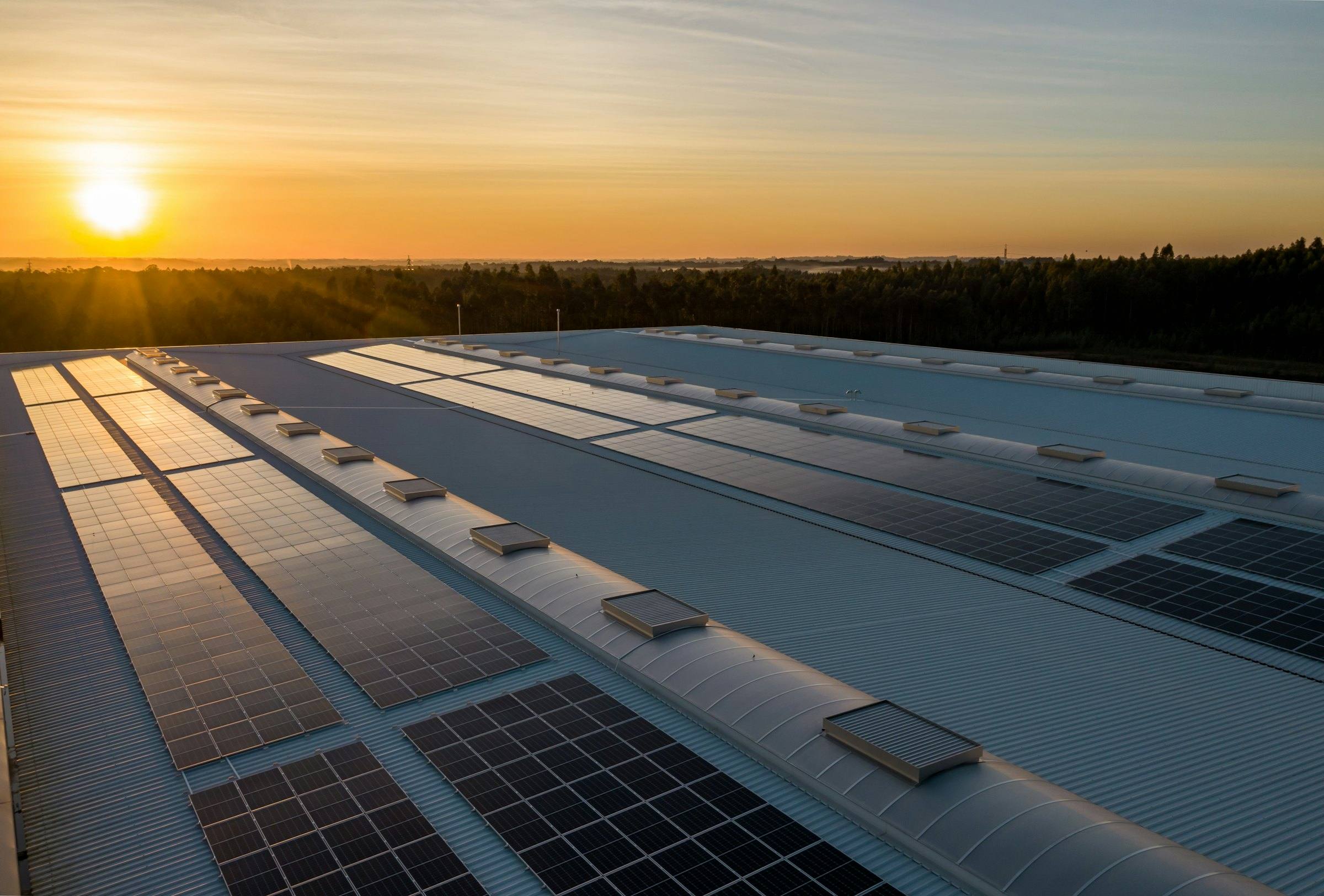
Storage that carries midday sunshine into the evening peak.
Lithium materials · Renewable energy supply
We source battery-grade lithium for the solar farms, wind parks, grid storage and electric fleets that run a cleaner world, with every specification documented and every origin traceable.
01Who we are
Lithium Energy connects manufacturers and energy developers with the lithium compounds that make renewable power dependable. We specify carefully, document thoroughly and plan for recovery, because the energy transition only works if its materials hold up to scrutiny.
02Sectors we power
From utility-scale solar to the charger in your driveway, lithium is how clean energy gets stored, moved and used when it is needed.
Storage that carries midday sunshine into the evening peak.

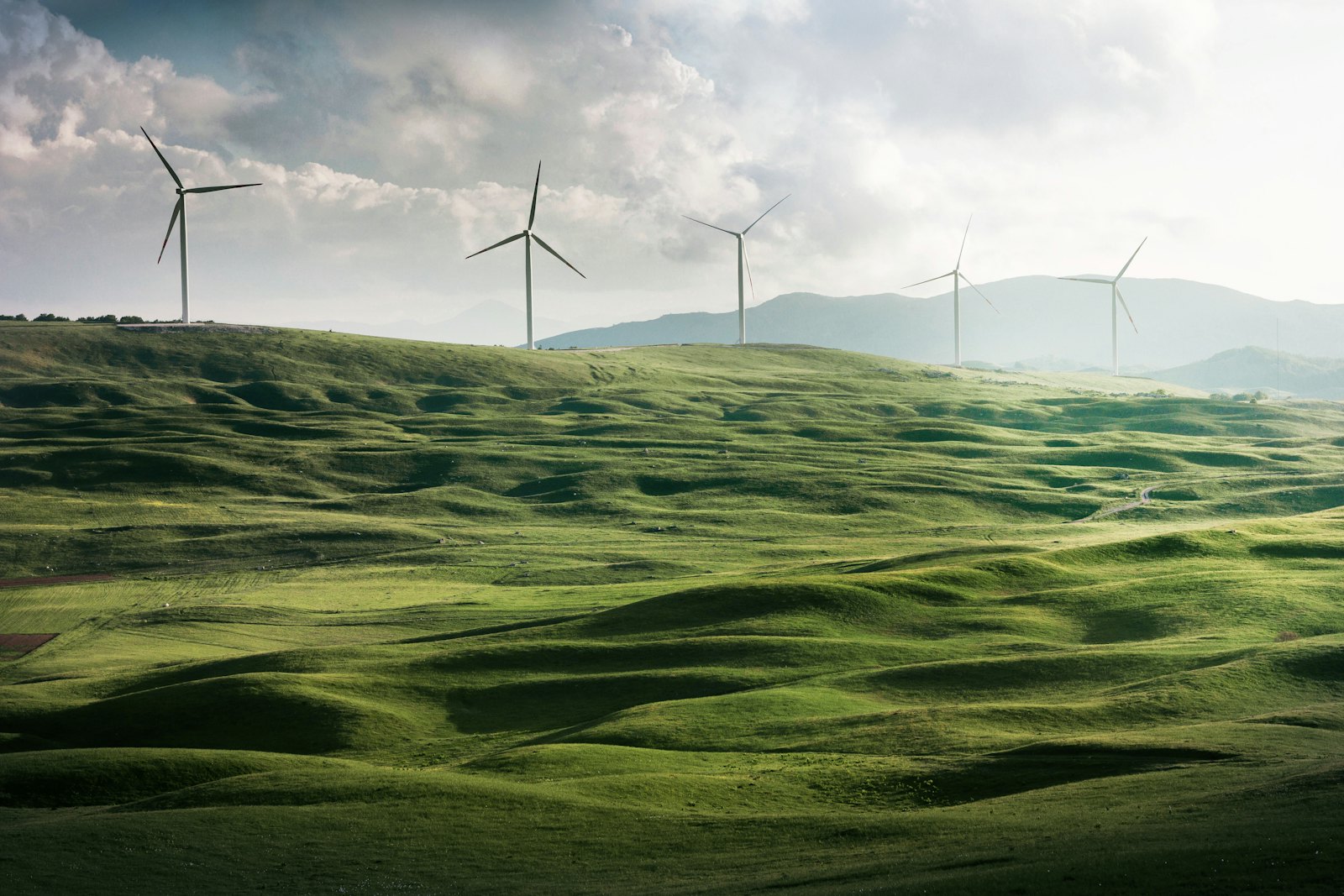
Firming variable output so windy nights still pay off.

Battery parks that keep the grid stable as renewables take over.

Cathode materials for cars, buses, bikes and trucks.

Backup and frequency response for transmission networks.

Rooftop solar paired with behind-the-meter batteries.
Salar de Atacama, Chile · from orbit
From salt flat to solar farm.
Lithium-rich brine evaporates in ponds visible from space, the first step in a chain that ends in the batteries behind our renewable grid.
03Materials
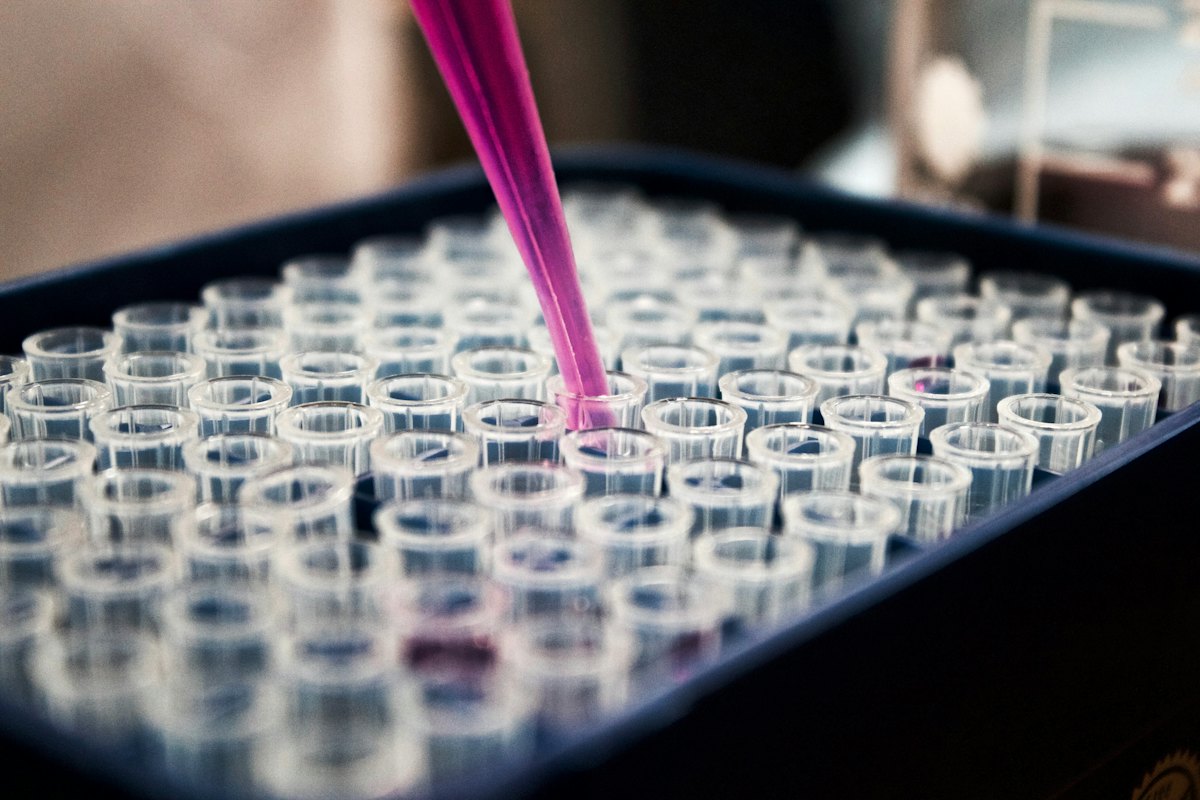
Refined compound
Li2CO3
A white powder used across LFP cathodes, glass and ceramics. Grade and impurity profile depend on the process.
Buyer checkPurity basis · impurity panel

Refined compound
LiOH·H2O
Sold mainly as the monohydrate and often preferred for nickel-rich cathodes. Moisture-tight packaging matters.
Buyer checkLiOH content · test method
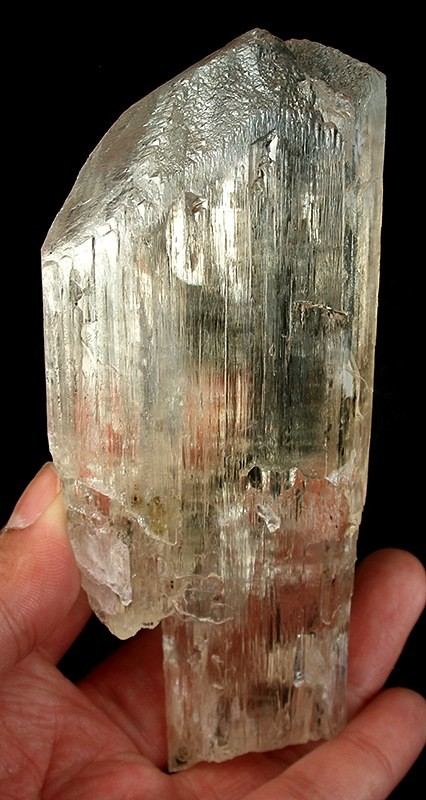
Mineral feedstock
LiAlSi2O6
Hard-rock concentrate converted into refined compounds. It is quoted by Li2O grade and varies by deposit.
Buyer checkAssay · moisture · iron
Secondary material
↻ Li
Black mass and recycled compounds from used cells and manufacturing scrap, returned to the supply chain.
Buyer checkOrigin · recovery route
| Attribute | Li2CO3Carbonate | LiOH·H2OHydroxide | LiAlSi2O6Spodumene | ↻ LiRecovered |
|---|---|---|---|---|
| Position | Refined compound | Refined compound | Feedstock for conversion | Secondary supply |
| Form | White powder | White crystalline powder, usually monohydrate | Mineral concentrate, quoted by Li2O % | Varies by process and stage |
| Typical fit | LFP cathodes; glass, ceramics | Nickel-rich cathodes; greases | Converted to carbonate or hydroxide | Refined back into battery materials |
| Ask about | Purity basis, impurities, particle size, moisture | LiOH content, carbonate pick-up, sealed packaging | Li2O grade, Fe, moisture, deleterious minerals | Feedstock origin, chemistry mix, transport class |
| Documents | CoA, SDS, origin | CoA, SDS, origin | Assay certificate, moisture report, origin | Composition, SDS, waste paperwork, chain of custody |
General orientation only. Always compare the actual specification sheet and test method.
04From source to grid
Value is created across a connected chain, and we manage the handoffs so your material arrives as specified. DOE supply-chain review ↗
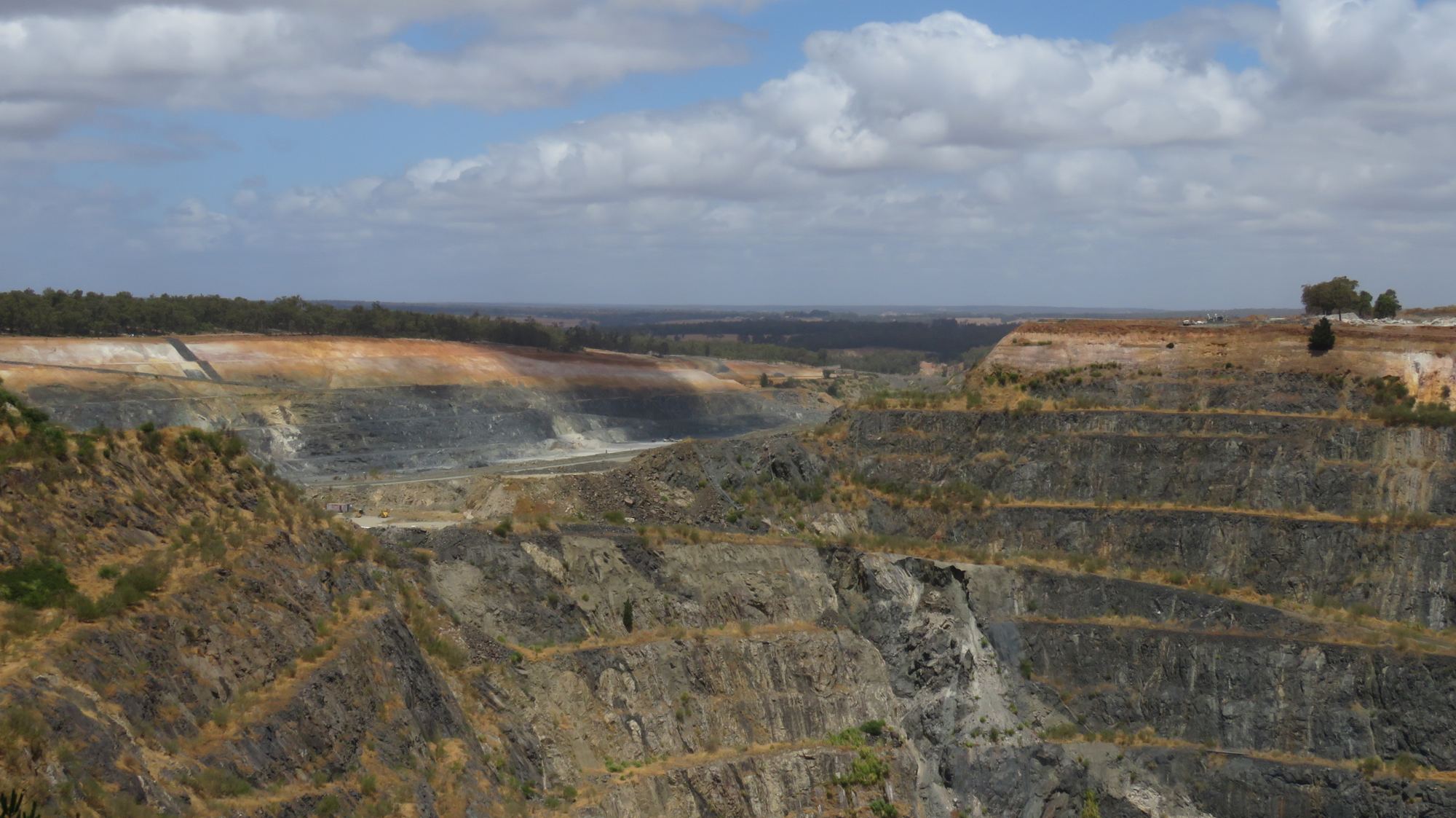
Hard-rock ores, salar brines and geothermal brines, assessed for grade and responsible practice.
Geology
Conversion into compounds that meet cathode specs, verified by third-party analysis.
Processing
Moisture-tight packaging, correct transport classification and agreed Incoterms, door to plant.
Logistics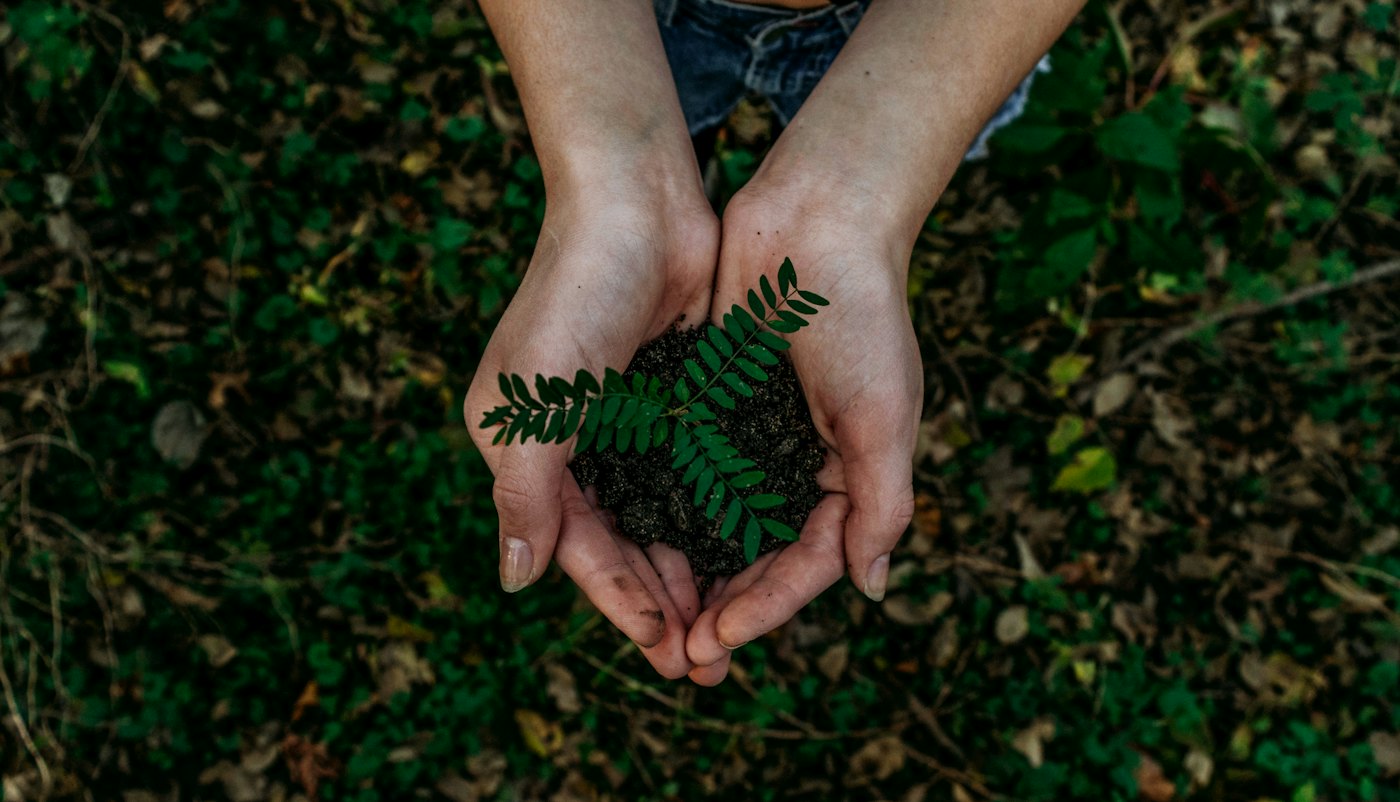
Second life and recycling that keep lithium in circulation at end of life.
Circularity Salar de Uyuni, Bolivia · Copernicus Sentinel-2
05Sustainability
Responsible lithium can’t be reduced to a single “clean” label. These are the questions we ask at every stage.
Brine basins and mines sit in very different hydrological settings. We look for local water balances, ongoing monitoring and published site-level evidence.
Routes differ in heat, electricity, reagents and waste. We compare full process data, including where the energy comes from, rather than broad claims.
Design for durability, repair, collection and recovery. Recycling strengthens supply when collection is safe and recovery is viable.
Workers, local communities, transparent origins and credible due diligence matter as much as the product spec.
06Battery chemistry
Chemistries trade cost, energy density and materials. Start with the job the battery has to do. Ratings are relative and indicative only.
LFP
Nickel- & cobalt-free
Strong on cost, safety and cycle life. The workhorse of stationary storage and many EVs.
NMC
Layered-oxide family
Higher energy density for long-range mobility, with more complex materials and thermal management.
Na
Lithium-free · emerging
Avoids lithium entirely. For now it trades lower energy density for a less mature supply chain.


07Request a quote
Build a clear specification brief in six short steps. Send it straight to our team, or copy and download it for your records.
“Send” opens your email app with the brief filled in. Nothing is sent until you press send there.
08Questions
Short, general guidance. For anything that affects a purchase, we confirm against the actual specification sheet.
Your downstream process decides. Carbonate is common in LFP cathode production, while hydroxide is often preferred for nickel-rich cathodes. Your cathode producer’s requirements should settle it.
It generally means higher purity and tighter impurity limits, but suppliers don’t all use the term the same way. Compare the purity basis, impurity limits and test methods, not the label.
A family of technologies that pull lithium selectively from brine instead of relying mainly on large evaporation ponds. Water, energy and reagent impacts are still site-specific and need evidence.
A CoA reports measured results for one specific lot. It lets you check what arrived against what you ordered, provided the test method and basis are stated.
Send your brief and our team will confirm availability, grades and specifications for your enquiry. The more complete the brief, the faster and more precise the response.
Let’s build what’s next
Tell us about your application and we’ll come back with material options that fit.